
NHS Dentist in Biggleswade: Availability, Costs & Registration
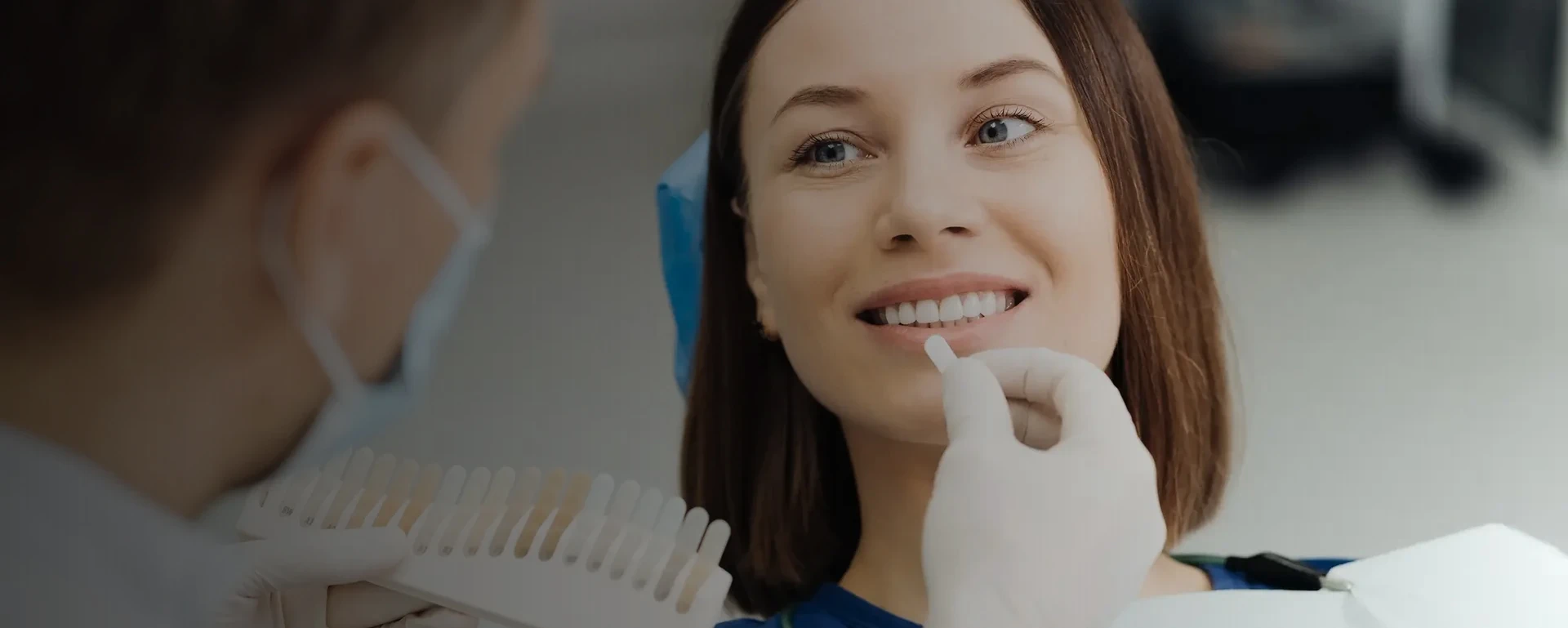
Finding an NHS dentist in Biggleswade can be an important step towards maintaining your oral health while keeping dental treatment affordable. NHS dental services are designed to provide essential dental care at set charges, but availability can vary depending on the practice and whether they are currently accepting new NHS patients.
If you are looking for an NHS dentist in Biggleswade, it is useful to understand how NHS registration works, what treatments may be available, how NHS dental charges are calculated, and what you should expect when looking for an appointment.
At St Andrews Dental Practice, we provide a range of general dentistry services for patients in Biggleswade and the surrounding areas. Our team can help you understand your treatment options and provide personalised dental care based on your individual needs.
What Is an NHS Dentist?
An NHS dentist provides dental treatment under the NHS system. The aim is to make essential dental care accessible while helping patients maintain good oral health and prevent dental problems from becoming more serious.
NHS dental treatment can include services such as:
- Dental examinations
- Preventive dental care
- Fillings
- Dental extractions
- Root canal treatment when clinically necessary
- Dentures
- Treatment for gum disease
- Emergency dental care
Not every dental treatment is available through the NHS. Some treatments may be considered clinically necessary and available under NHS arrangements, while cosmetic or elective procedures may need to be provided privately.
Understanding whether a treatment is available through the NHS or as a private option can help you make an informed decision about your dental care.
Is There an NHS Dentist Accepting New Patients in Biggleswade?
One of the most common questions patients ask is whether they can register with an NHS dentist in Biggleswade.
NHS dental availability can change over time. A practice may have limited NHS spaces, a waiting list, or may not currently be accepting new NHS patients. Availability can also depend on the type of treatment required and the capacity of the practice.
If you are looking for a new dentist, it is worth contacting local practices directly to ask about current NHS availability and registration arrangements.
Even if NHS spaces are limited, a dental practice may still be able to explain alternative options, including private treatment where appropriate.
How Do You Register with an NHS Dentist?
Unlike registering with a GP, you do not necessarily have to register permanently with an NHS dentist in the same way. Instead, you normally arrange an appointment with a dental practice that provides NHS treatment and has availability.
When contacting a dental practice, you may be asked for information such as:
- Your name and contact details
- Your previous dental history
- Whether you are currently registered with another dentist
- Whether you require routine or urgent treatment
- Details of any dental concerns you currently have
If the practice is accepting NHS patients, the team can explain the next steps and whether you need to join a waiting list.
It is important to contact the practice directly because NHS patient availability can change as appointments and capacity become available.
How Much Does an NHS Dentist Cost?
NHS dental charges are divided into different bands depending on the treatment you need.
The main NHS treatment bands are:
Band 1
Band 1 covers a standard course of NHS treatment, including an examination, diagnosis and advice on how to prevent future dental problems. Where clinically necessary, it can also include treatment such as X-rays.
Band 2
Band 2 covers Band 1 treatment as well as additional clinically necessary treatment, such as fillings, root canal treatment or tooth extractions.
Band 3
Band 3 applies when you require more complex treatment, such as crowns, dentures or bridges, as part of an NHS course of treatment.
NHS dental charges are set nationally and can change, so it is always advisable to check the current charges when arranging treatment.
Some patients may also qualify for free NHS dental treatment or help with dental costs depending on their circumstances.
What NHS Dental Treatment Is Available?
NHS dentistry focuses primarily on treatment that is considered clinically necessary to maintain oral health.
Depending on your individual needs, this may include:
Dental Examinations
Routine dental examinations allow your dentist to assess your teeth, gums and overall oral health. Regular dental check-ups can help identify problems such as tooth decay and gum disease at an early stage.
Fillings
If you have tooth decay, a filling may be recommended to restore the affected tooth and prevent the decay from progressing further.
Root Canal Treatment
When decay or infection reaches the centre of a tooth, root canal treatment may be recommended when clinically appropriate. The procedure removes infected tissue from inside the tooth and helps preserve the natural tooth.
Tooth Extractions
A tooth may sometimes need to be removed if it is severely damaged, extensively decayed, or causing other oral health problems and cannot be successfully restored.
Dentures
If you have several missing teeth or have lost all of your natural teeth, dentures may help restore your ability to eat and speak comfortably while supporting the appearance of your smile.
Crowns and Bridges
Crowns and bridges may sometimes be available through NHS dentistry when they are clinically necessary. However, eligibility depends on your individual circumstances and the treatment required.
Are Cosmetic Dental Treatments Available on the NHS?
NHS dentistry is primarily intended to maintain oral health rather than provide cosmetic improvements.
Treatments that are mainly carried out to improve the appearance of your smile may not be available through the NHS. These can include certain forms of:
- Teeth whitening
- Cosmetic bonding
- Veneers
- Certain aesthetic orthodontic treatments
- Cosmetic reshaping
If you are interested in improving the appearance of your smile, you may need to consider private treatment options. Our cosmetic dentistry services can be discussed with you during a consultation to determine which options may be suitable.
Can You Get Emergency NHS Dental Treatment?
Dental emergencies can happen unexpectedly and may require prompt attention.
Examples of dental emergencies include:
- Severe toothache
- Dental abscesses
- Significant swelling
- A knocked-out tooth
- A broken or severely damaged tooth
- Uncontrolled bleeding following dental trauma
If you experience a dental emergency, contact a dental practice as soon as possible. The team can advise you on the most appropriate next step based on your symptoms and the availability of emergency appointments.
If you have severe facial swelling, difficulty breathing or swallowing, or other potentially serious symptoms, urgent medical attention may be required.
What If You Cannot Find an NHS Dentist in Biggleswade?
NHS dental availability can be limited in some areas, particularly when practices are not accepting new NHS patients.
If you are struggling to find an available NHS dentist, you can:
- Contact local dental practices directly
- Ask whether they have an NHS waiting list
- Check whether they are accepting new patients
- Ask when NHS availability may next be reviewed
- Consider whether private dental care is an option for you
- Contact NHS services for advice about finding dental care
It is worth remembering that availability can change. A practice that is unable to accept new NHS patients today may have availability at a later date.
What Is the Difference Between NHS and Private Dentistry?
The main difference is how treatment is funded and what treatments are available.
NHS dentistry provides clinically necessary dental care under NHS arrangements, with patients generally paying according to the applicable NHS charge band unless they qualify for an exemption.
Private dentistry can provide a wider range of treatment options, including procedures that are primarily cosmetic or not available under NHS arrangements.
For example, patients seeking restorative dentistry may have different treatment choices depending on whether they are receiving NHS or private care.
Your dentist should explain the available options and associated costs before treatment begins.
Why Are Regular Dental Check-ups Important?
Whether you receive NHS or private dental care, regular dental examinations remain an important part of maintaining your oral health.
Dental problems can develop without causing obvious symptoms. A tooth may have early decay or gum disease before you experience pain or noticeable changes.
Regular examinations allow your dentist to:
- Check for tooth decay
- Assess your gums
- Identify signs of infection
- Monitor existing dental restorations
- Assess your overall oral health
- Recommend preventive care
- Identify problems before they become more complicated
The appropriate frequency of dental examinations varies from person to person. Your dentist can recommend a suitable recall interval based on your oral health and individual risk factors.
How Can You Improve Your Chances of Finding an NHS Dentist?
If you are trying to find an NHS dentist in Biggleswade, being flexible can sometimes make the process easier.
You may wish to ask practices about:
- Current NHS availability
- Waiting lists
- Cancellation appointments
- Whether they are accepting children as NHS patients
- Whether emergency appointments are available
- When they expect to review NHS capacity
If you are already attending a practice privately, you can also ask whether NHS treatment is available for any clinically necessary treatment you may require.
Because NHS availability changes, contacting practices directly is one of the most reliable ways to find out what options are currently available.
What Should You Ask Before Joining an NHS Dental Practice?
Before arranging an appointment, it can be helpful to ask a few questions so you understand the practice's current arrangements.
Consider asking:
- Are you currently accepting new NHS patients?
- Is there an NHS waiting list?
- What NHS services are currently available?
- What are the current NHS charges?
- Can I receive private treatment if an NHS option is not available?
- How are emergency dental problems handled?
- How often should I attend for a dental examination?
Having this information in advance can make it easier to understand your choices and plan your dental care.
Conclusion
Finding an NHS dentist in Biggleswade can sometimes require patience, particularly when local practices have limited NHS availability. Understanding how NHS dentistry works, what treatments may be covered, how charges are structured, and how patient availability is managed can help you make informed decisions about your oral health.
At St Andrews Dental Practice, we provide comprehensive dental care for patients in Biggleswade and the surrounding areas. Whether you need a routine examination, treatment for an existing dental problem, or advice about your available treatment options, our team can discuss your needs and help you understand the most appropriate next steps.
If you are looking for dental care in Biggleswade, contact St Andrews Dental Practice to discuss your requirements and find out more about the services currently available.
Frequently Asked Questions
Q: Is it difficult to find an NHS dentist in Biggleswade?
A: NHS dental availability can vary between practices and over time. Some practices may have limited NHS spaces or waiting lists, while others may not currently be accepting new NHS patients. Contacting local practices directly is the best way to find out about current availability.
Q: How much does an NHS dental appointment cost?
A: NHS dental charges are based on treatment bands, with the amount depending on the clinically necessary treatment you require. Charges can change, so you should check the current NHS fees when arranging treatment.
Q: Can I register with an NHS dentist if I already have a private dentist?
A: You can ask an NHS dental practice about its current availability and whether it is accepting new NHS patients. Each practice manages its patient capacity differently, so the team can explain the options available.
Q: Can I receive root canal treatment through the NHS?
A: Root canal treatment can be available through the NHS when it is considered clinically necessary. Your dentist will assess the condition of your tooth and discuss the most appropriate treatment options with you.
Q: Are dental crowns available through the NHS?
A: Crowns may be available through the NHS when they are clinically necessary. Whether an NHS crown is appropriate depends on your individual dental needs and the treatment required.
Q: What should I do if I cannot find an NHS dentist?
A: Contact dental practices in and around Biggleswade to ask about NHS availability and waiting lists. You can also ask whether they expect to accept new NHS patients in the future or discuss private treatment options if appropriate.


© 2025 St Andrews Dental Practice | Privacy Policy | Digital Marketing by Remedo


