
How Long Does It Take to Get Used to Wearing Dentures?
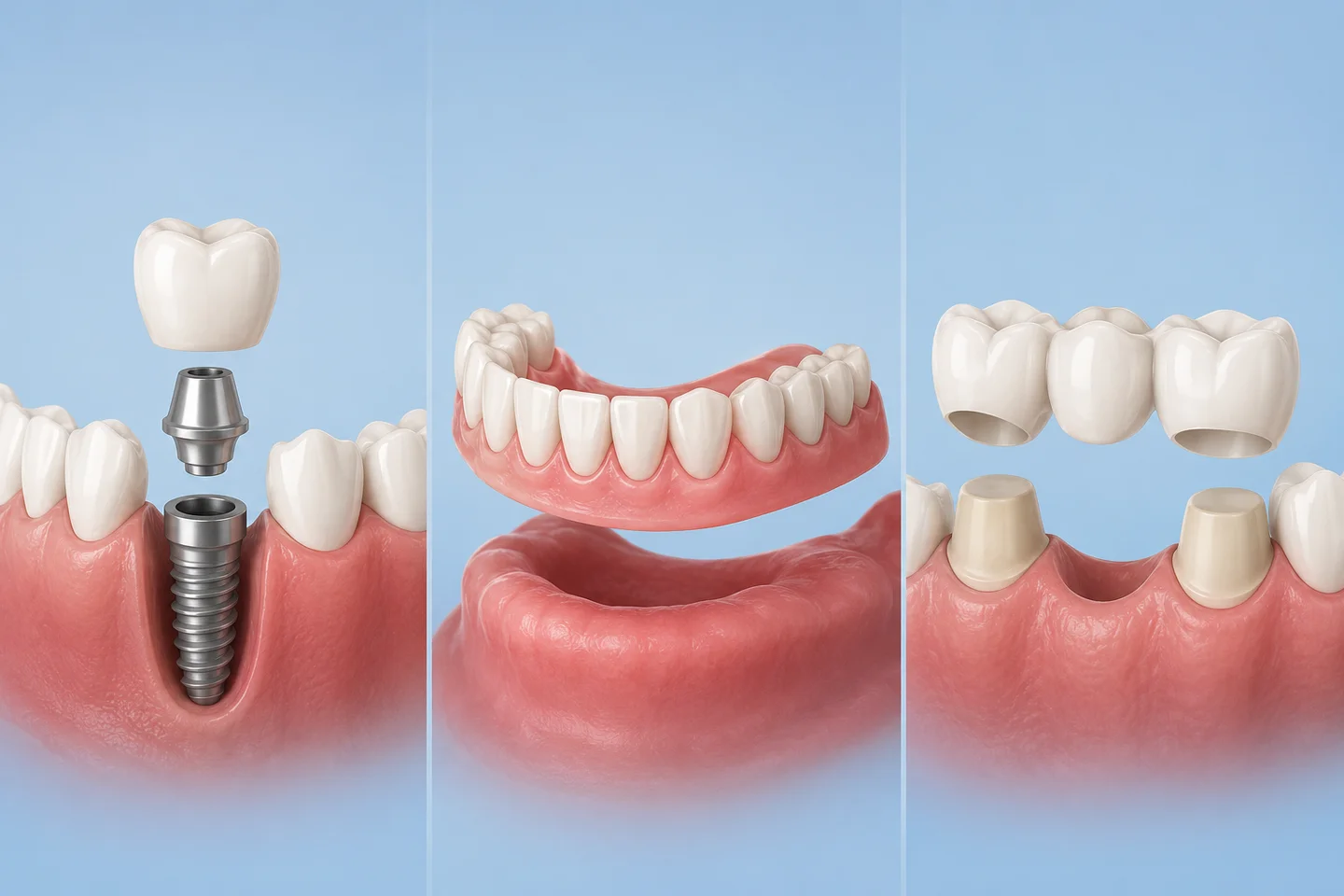
Adjusting to dentures is a significant step towards restoring your smile, confidence, and ability to eat and speak comfortably. Whether you have recently received full or partial dentures, it is completely normal for them to feel different at first. Like any dental appliance, dentures require a period of adjustment while your mouth, muscles, and daily habits adapt.
At St Andrews Dental Practice, we often reassure patients in Biggleswade that becoming comfortable with dentures takes time, patience, and a little practice. Understanding what to expect during the adjustment period can help make the transition much smoother.
How Long Does the Adjustment Period Usually Last?
Most patients begin feeling more comfortable with their dentures within two to four weeks. However, everyone adapts at their own pace. Some people adjust within a few days, while others may need several weeks or even a couple of months to feel completely confident.
The adjustment period depends on several factors, including:
- Whether you are wearing dentures for the first time
- If you have full or partial dentures
- The condition of your gums and supporting tissues
- How consistently you wear your dentures
- Whether any adjustments are needed after fitting
Regular follow-up appointments allow your dentist to ensure your dentures fit comfortably and function as intended.
What Can You Expect During the First Few Days?
Your new dentures may initially feel bulky or unfamiliar. This sensation is completely normal and gradually improves as your mouth adapts.
During the first few days, you may notice:
Increased Saliva Production
Many patients produce more saliva than usual when they first receive dentures. This is simply your mouth responding to a new appliance and typically settles within a few days.
Mild Soreness
Your gums may feel slightly tender as they adapt to the pressure of wearing dentures. If soreness persists or becomes uncomfortable, your dentist can make small adjustments to improve the fit.
Speaking Feels Different
Certain words may feel more difficult to pronounce initially. Reading aloud, practising conversations, and speaking slowly can help your tongue and facial muscles adjust more quickly.
A Different Sensation While Eating
Eating with dentures requires a little practice. Starting with softer foods and taking smaller bites can help you regain confidence while chewing.
Tips to Help You Adjust More Quickly
Although every patient is different, there are several ways to make the transition easier.
Wear Your Dentures as Directed
Unless advised otherwise by your dentist, wearing your dentures regularly helps your mouth become accustomed to them more quickly.
Begin with Softer Foods
Choose foods that are easy to chew, such as:
- Soup
- Yoghurt
- Scrambled eggs
- Mashed potatoes
- Soft pasta
- Cooked vegetables
As your confidence improves, you can gradually return to a wider variety of foods.
Chew Evenly
Try chewing on both sides of your mouth at the same time. This helps keep your dentures balanced and reduces movement while eating.
Practise Speaking
Reading a newspaper, book, or magazine aloud for a few minutes each day can improve speech and help your muscles adapt faster.
Keep Your Dentures Clean
Daily cleaning removes food particles and plaque while helping maintain fresh breath and healthy gums. Clean dentures are also less likely to cause irritation.
Learn more about our General Dentistry services and preventive dental care available at St Andrews Dental Practice.
When Should You Contact Your Dentist?
While some mild discomfort is expected initially, persistent pain should not be ignored.
Arrange an appointment if you experience:
Ongoing Soreness
Dentures should become more comfortable over time. If sore spots continue, a simple adjustment may solve the problem.
Loose Dentures
Dentures that move excessively while speaking or eating may require adjustment to improve their fit.
Difficulty Eating After Several Weeks
Most patients gradually regain confidence when eating. If you continue struggling, your dentist can assess whether changes are needed.
Cracks or Damage
Never attempt to repair dentures yourself. Professional repairs help maintain a secure fit and prevent further damage.
Will Dentures Ever Feel Like Natural Teeth?
Dentures cannot completely replace the feeling of natural teeth, but most patients adapt remarkably well over time. As your facial muscles become accustomed to supporting your dentures, everyday activities such as speaking, smiling, and eating begin to feel increasingly natural.
Many patients tell us that after a few weeks, they rarely think about wearing their dentures during normal daily activities.
How Often Should Dentures Be Checked?
Even if your dentures feel comfortable, regular dental examinations remain essential. Your gums and jawbone naturally change shape over time, which can affect how your dentures fit.
Routine appointments allow your dentist to:
- Assess the fit of your dentures
- Check your gums for signs of irritation
- Examine your remaining natural teeth if you wear partial dentures
- Recommend adjustments or replacement when necessary
Maintaining regular check-ups helps ensure your dentures continue to provide comfort, stability, and function.
Looking After Your Dentures for the Long Term
Good denture care not only extends the life of your dentures but also supports your overall oral health.
To keep your dentures in excellent condition:
- Clean them thoroughly every day using a denture brush and suitable cleaner.
- Remove them overnight unless your dentist advises otherwise.
- Store dentures safely in water or denture solution when not being worn.
- Continue cleaning your gums, tongue, and any remaining natural teeth daily.
- Attend regular dental check-ups for professional assessments.
With proper care and routine maintenance, dentures can provide many years of reliable function and a confident smile.
Conclusion
Adjusting to dentures takes time, but most patients become comfortable within a few weeks. Some initial soreness, increased saliva, and minor changes in speech are perfectly normal and usually improve as your mouth adapts. Following your dentist's advice, maintaining good oral hygiene, and attending follow-up appointments can make the transition much smoother.
If you are considering dentures or have recently started wearing them, our friendly team at St Andrews Dental Practice in Biggleswade is here to support you every step of the way. We are committed to helping you achieve a comfortable fit and a smile you can wear with confidence.
Ready to learn more about dentures or need an adjustment? Contact St Andrews Dental Practice today to arrange your consultation.
Frequently Asked Questions
Q: Is it normal for dentures to feel loose at first?
A: Yes. New dentures may feel slightly loose until your mouth and facial muscles adapt. If they continue to move after a few weeks, your dentist may recommend an adjustment.
Q: How long should I wear my dentures each day when I first get them?
A: Follow your dentist's instructions. Wearing your dentures consistently during the adjustment period usually helps your mouth adapt more quickly.
Q: Will eating become easier with dentures?
A: Yes. Most patients regain confidence within a few weeks. Starting with softer foods and chewing evenly can make the transition much easier.
Q: How often do dentures need replacing?
A: Dentures typically last between 5 and 10 years, although this varies depending on wear and changes in your gums and jawbone. Regular dental check-ups help determine when replacement or relining may be needed.


© 2025 St Andrews Dental Practice | Privacy Policy | Digital Marketing by Remedo


