
How Long Do Dental Crowns Last?
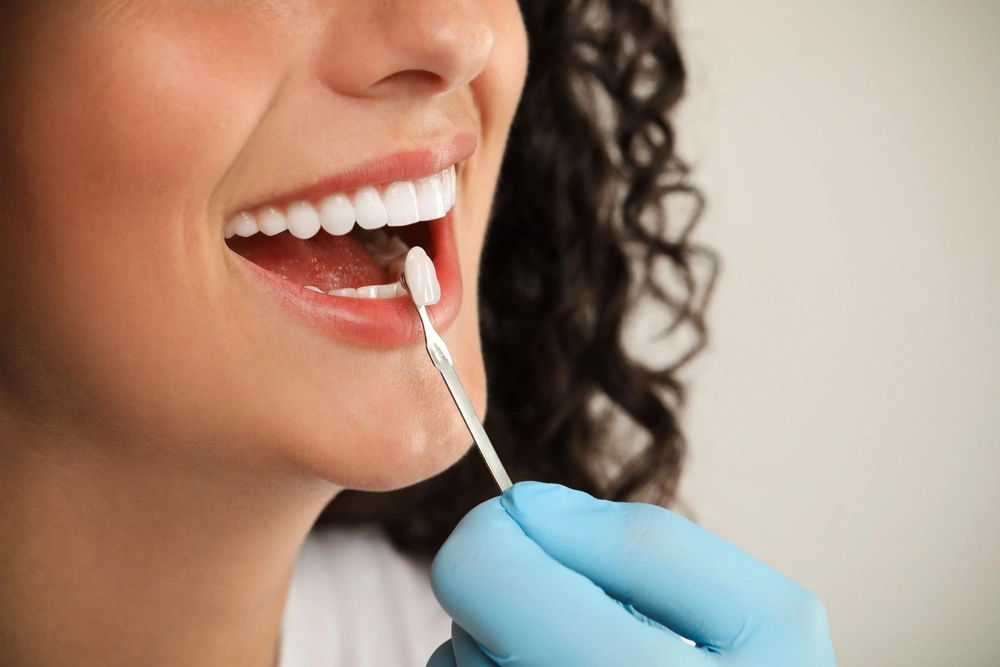
Dental crowns are one of the most reliable ways to restore damaged, weakened, or heavily restored teeth. They are designed to protect the remaining tooth structure while restoring its strength, function, and appearance. Whether you've recently had a crown placed or have been wearing one for several years, it's natural to wonder how long it will last and when it may need replacing.
At St Andrews Dental Practice, we help patients in Biggleswade maintain healthy, long-lasting dental restorations through regular check-ups and personalised care. While dental crowns are highly durable, they are not designed to last forever. Understanding what affects their lifespan and recognising the signs that a replacement may be needed can help you protect your oral health.
How Long Do Dental Crowns Typically Last?
On average, a well-made dental crown can last between 10 and 15 years. However, many crowns continue to function well for 20 years or longer when they are properly cared for.
The lifespan of a dental crown depends on several factors, including:
- The material used to make the crown
- Your daily oral hygiene routine
- Your bite and chewing habits
- Whether you grind or clench your teeth
- The health of the tooth underneath the crown
- Regular dental examinations and maintenance
With good oral hygiene and routine dental care, many patients enjoy years of comfortable use from their crowns.
What Are Dental Crowns Made From?
Different materials offer different benefits, and your dentist will recommend the most suitable option based on the location of the tooth and your individual needs.
Porcelain Crowns
Porcelain crowns closely resemble natural teeth, making them an excellent choice for restoring front teeth. They provide an attractive, lifelike appearance while offering good durability for everyday use.
Porcelain Fused to Metal Crowns
These crowns combine the natural appearance of porcelain with the strength of a metal base. They are commonly used for both front and back teeth where additional durability may be required.
Zirconia Crowns
Zirconia has become an increasingly popular material because it is both strong and highly aesthetic. It is well suited for restoring teeth that experience greater chewing forces while still providing a natural-looking smile.
Metal Crowns
Although less commonly used for visible teeth, metal crowns are exceptionally durable and can withstand heavy biting pressure. They are often considered for molars located towards the back of the mouth.
What Can Affect the Lifespan of a Dental Crown?
Although crowns are made from durable materials, everyday wear gradually takes its toll. Several factors can shorten the life of a dental crown.
Teeth Grinding (Bruxism)
Grinding or clenching your teeth places significant pressure on both your natural teeth and restorations. Over time, this can cause crowns to wear down, loosen, or even fracture.
If you grind your teeth while sleeping, your dentist may recommend a custom-made night guard to protect your crown through our general dentistry services.
Poor Oral Hygiene
Although the crown itself cannot develop decay, the natural tooth underneath still can.
If plaque builds up around the edge of the crown, bacteria may cause decay where the crown meets the tooth. This can eventually weaken the tooth and require replacement of the restoration.
Brushing twice daily, flossing carefully around the crown, and attending regular hygiene appointments all help reduce this risk.
Chewing Hard Objects
Frequently chewing ice, hard sweets, pens, or fingernails can place unnecessary stress on your crown. Avoiding these habits helps reduce the risk of chips and fractures.
Normal Wear and Tear
Like natural teeth, crowns gradually experience wear from years of chewing and biting. This is a normal part of ageing and one reason regular dental examinations remain important.
Signs Your Dental Crown May Need Replacing
Even if your crown still looks fine, there may be underlying issues that require professional attention.
Pain or Sensitivity
If you develop pain when biting or increased sensitivity to hot or cold foods, it could indicate that the crown no longer fits properly or that decay has developed underneath.
A Loose Crown
A crown should feel secure at all times. If it begins to move or feels unstable, bacteria can enter beneath it, increasing the risk of decay and infection.
Visible Damage
Small chips or cracks may seem minor initially but can weaken the crown over time. Larger fractures usually require replacement.
Receding Gums Around the Crown
As gums naturally recede with age, the edge of the crown may become exposed. This can increase sensitivity and make it easier for plaque to collect around the restoration.
Wear Around the Crown Margins
During routine examinations, your dentist will check whether the crown still seals the tooth effectively. If the margin becomes worn or damaged, replacement may be recommended before more significant problems develop.
Can a Dental Crown Be Repaired?
It depends on the extent of the damage.
Small chips in certain porcelain crowns may sometimes be polished or repaired using composite bonding. However, larger fractures, loose crowns, or crowns affected by decay underneath usually need to be replaced via restorative dentistry to restore long-term function and protection.
Your dentist will assess the condition of both the crown and the underlying tooth before recommending the most appropriate treatment.
How Can You Help Your Dental Crown Last Longer?
Good daily habits can significantly extend the lifespan of your restoration.
To help protect your crown:
- Brush your teeth twice a day with fluoride toothpaste.
- Clean carefully between your teeth using floss or interdental brushes.
- Avoid chewing hard objects such as ice or pens.
- Wear a night guard if you grind your teeth.
- Attend regular dental examinations and hygiene appointments.
- Report any discomfort or looseness as soon as possible.
You can also learn more about our General Dentistry services and preventive dental care available at St Andrews Dental Practice.
Do Dental Crowns Require Special Care?
Fortunately, caring for a dental crown is much the same as caring for your natural teeth.
There is no need for special cleaning products, but maintaining excellent oral hygiene is essential. Paying extra attention to the gum line around the crown helps prevent plaque accumulation and protects the underlying tooth from decay.
Regular professional cleaning also helps keep both your crown and surrounding gums healthy.
Why Are Regular Dental Check-ups Important?
Even if your crown feels completely comfortable, routine examinations allow your dentist to monitor its condition before problems develop.
During your appointment, your dentist may:
- Check that the crown remains secure
- Examine the edges for signs of wear
- Look for decay beneath the restoration
- Assess the health of the surrounding gums
- Ensure your bite remains balanced
Early detection often allows problems to be managed before more extensive treatment becomes necessary.
Conclusion
Dental crowns are a durable and effective solution for restoring damaged teeth, with many lasting well over a decade when properly maintained. While they are built to withstand everyday use, regular dental care, good oral hygiene, and routine check-ups all play an important role in maximising their lifespan.
If your crown feels loose, becomes uncomfortable, or simply hasn't been checked for several years, it's worth arranging an examination. At St Andrews Dental Practice in Biggleswade, our experienced team can assess the condition of your crown and recommend the most suitable treatment to keep your smile healthy, comfortable, and functioning at its best.
If you have questions about an existing crown or think it may need replacing, contact St Andrews Dental Practice today to arrange a consultation.
Frequently Asked Questions
Q: Can a dental crown last for life?
A: While some crowns can last 20 years or more, they are not usually considered lifetime restorations. Normal wear, changes in your bite, or decay beneath the crown may eventually require replacement.
Q: Can decay develop underneath a dental crown?
A: Yes. Although the crown itself cannot decay, the natural tooth beneath it can. Maintaining good oral hygiene and attending regular dental check-ups helps reduce this risk.
Q: What should I do if my dental crown falls out?
A: Contact your dentist as soon as possible. Avoid attempting to glue the crown back yourself, as this may damage the restoration or make professional replacement more difficult.
Q: Are dental crowns stronger than natural teeth?
A: Dental crowns are made from durable materials designed to protect weakened teeth. However, they can still chip, crack, or wear over time, so they should be cared for just like your natural teeth.


© 2025 St Andrews Dental Practice | Privacy Policy | Digital Marketing by Remedo


