
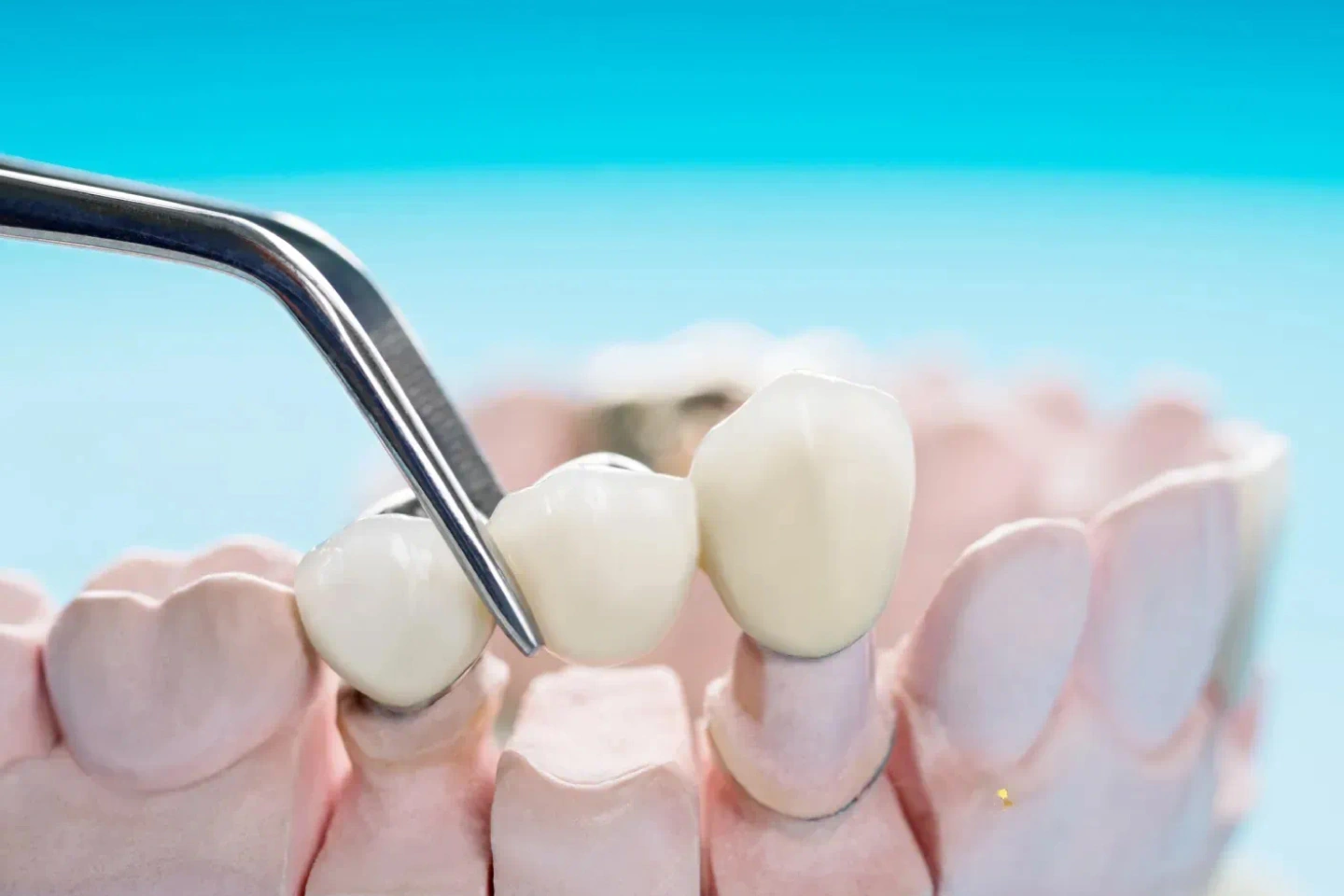
Missing teeth can affect much more than just the appearance of your smile. They can make eating uncomfortable, impact your speech, and even cause neighbouring teeth to shift out of position. A dental bridge is one of the most reliable ways to replace missing teeth and restore both function and confidence.
At St Andrews Dental Practice, many patients in Biggleswade ask us how long a dental bridge will last and what they need to do to keep it in excellent condition. The good news is that with proper care, a well-made dental bridge can provide many years of comfortable use while maintaining a natural-looking smile.
Why Dental Bridges Are a Popular Choice
A dental bridge literally "bridges" the gap created by one or more missing teeth. It is secured using the healthy teeth on either side of the gap or, in some cases, dental implants. The replacement tooth is carefully designed to blend seamlessly with your natural smile.
Beyond aesthetics, a dental bridge helps restore your ability to chew properly, supports clear speech, and prevents neighbouring teeth from drifting into the empty space.
How Long Does a Dental Bridge Typically Last?
Most dental bridges last between 10 and 15 years, although many patients enjoy their bridges for much longer with excellent oral hygiene and regular dental care.
Several factors influence the lifespan of a bridge:
Quality of Oral Hygiene
The supporting teeth play a crucial role in keeping the bridge stable. If decay or gum disease develops around these teeth, the bridge may eventually need repair or replacement.
Everyday Habits
Using your teeth to open packaging, chewing ice, or regularly biting hard objects can place excessive pressure on the bridge and shorten its lifespan.
Regular Dental Check-Ups
Routine examinations allow your dentist to identify small issues before they become major problems. Regular professional cleaning also helps protect the supporting teeth and gums.
Overall Oral Health
Healthy gums and strong supporting teeth create the foundation for a long-lasting bridge. Patients who maintain good oral health often enjoy their restorations for many years.
Signs Your Dental Bridge May Need Attention
Even a well-maintained bridge may eventually show signs of wear. It is important to contact your dentist if you notice:
Movement or Looseness
A bridge should feel secure and stable. Any movement could indicate a problem with the supporting teeth or cement.
Difficulty Chewing
Changes in your bite or discomfort while eating may signal that the bridge needs adjustment.
Gum Irritation
Redness, swelling, or bleeding around the bridge should never be ignored, as these symptoms may indicate gum disease.
Visible Wear or Damage
Cracks, chips, or worn surfaces can affect both appearance and function.
At our Biggleswade practice, we can assess your bridge and recommend whether a simple repair, adjustment, or replacement is required.
How to Care for Your Dental Bridge
Looking after a dental bridge is very similar to caring for your natural teeth, although a little extra attention is required around the replacement tooth.
Brush Twice Daily
Use a soft-bristled toothbrush and fluoride toothpaste to clean all surfaces of your teeth and bridge. Pay particular attention to the gumline where plaque can accumulate.
Clean Under the Bridge
Food particles can become trapped beneath the artificial tooth. Special floss threaders or interdental brushes can help clean these hard-to-reach areas effectively.
Maintain Healthy Gums
Healthy gums provide essential support for your bridge. Daily flossing and regular professional cleanings help prevent gum disease.
Avoid Excessive Force
Try not to bite directly into very hard foods such as ice, hard sweets, or unpopped popcorn kernels. These can damage both natural teeth and dental restorations.
Attend Regular Check-Ups
Routine appointments allow us to monitor the condition of your bridge and ensure everything remains healthy and functional. Learn more about our General Dentistry services and preventive care options.
Can a Dental Bridge Be Repaired?
In many cases, yes. Minor chips or wear may be repairable without replacing the entire bridge. However, if the supporting teeth become compromised or the bridge is significantly damaged, a replacement may be the most suitable option.
Our team always aims to preserve your existing restoration whenever possible while ensuring the best long-term outcome for your oral health.
Dental Bridges and Everyday Life
Most patients adapt very quickly to their dental bridge. Once fitted, you should be able to enjoy many of your favourite foods, smile confidently, and speak naturally.
Modern dental bridges are designed to match the shape, colour, and appearance of your surrounding teeth. Many patients tell us that family and friends cannot tell which tooth has been replaced.
Whether you have recently received a bridge or are considering treatment, proper maintenance is the key to keeping your restoration looking and functioning at its best.
Conclusion
A dental bridge is a reliable and effective solution for replacing missing teeth, restoring both function and confidence. With good oral hygiene, sensible eating habits, and regular dental visits, many bridges continue to perform beautifully for well over a decade.
If you are considering a dental bridge or would like advice about caring for an existing restoration, our friendly team at St Andrews Dental Practice in Biggleswade is here to help.
Ready to restore your smile and protect your oral health? Contact St Andrews Dental Practice today to arrange a consultation with our experienced team.
Frequently Asked Questions
Q: Can a dental bridge last longer than 15 years?
A: Yes. Many patients enjoy their bridges for 15 years or more when they maintain excellent oral hygiene and attend regular dental check-ups.
Q: Can I eat normally with a dental bridge?
A: Absolutely. Once you have adjusted to the bridge, you should be able to enjoy most foods comfortably. It is simply wise to avoid extremely hard items that could cause damage.
Q: Do I need special cleaning products?
A: Not necessarily. A soft toothbrush, fluoride toothpaste, floss threaders, and interdental brushes are usually sufficient to keep your bridge clean.
Q: What happens if my bridge becomes loose?
A: Contact your dentist as soon as possible. A loose bridge should not be ignored, as prompt treatment can often prevent more extensive problems.


© 2025 St Andrews Dental Practice | Privacy Policy | Digital Marketing by Remedo


